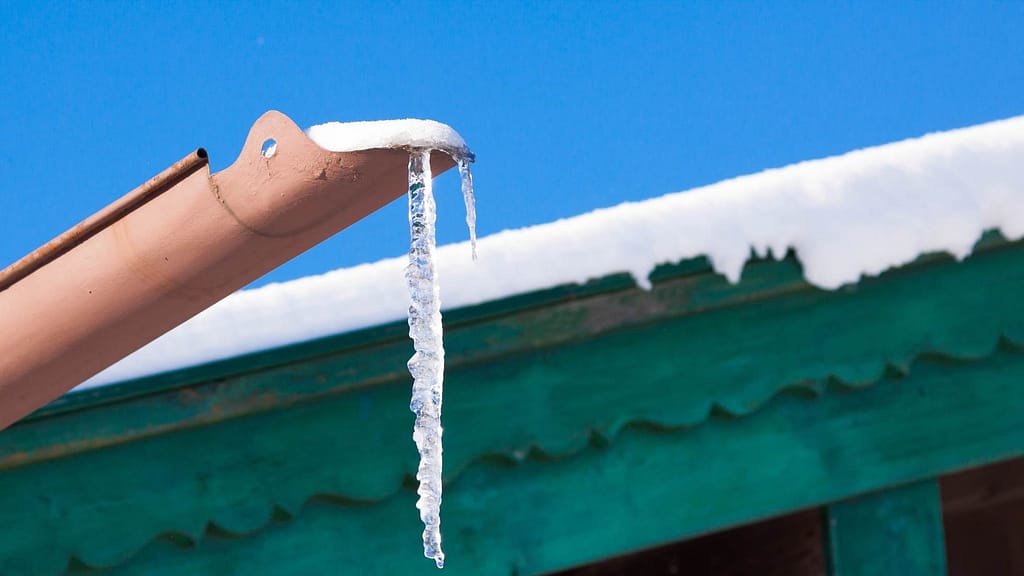
Pressure Washing Mistakes Homeowners Should Avoid

Pressure washing is one of the fastest ways to refresh a home’s exterior, boost curb appeal, and remove years of built-up dirt, moss, and mildew. But when done incorrectly, it can also cause costly damage to siding, roofing, paint, and landscaping.

At Forcewashing in Vancouver, WA, we’ve seen firsthand how DIY pressure washing mistakes can turn a simple weekend project into an expensive repair job. With years of field experience working on homes across Clark County, we’ve identified the most common errors homeowners make—and how to avoid them.

Why Pressure Washing Requires Care and Experience 

Pressure washing looks simple: point, spray, clean. But in practice, it requires technical knowledge of water pressure, surface materials, detergents, and safety techniques.

Professional operators are trained to understand:

  • PSI (pressure levels) appropriate for each surface
  • Proper nozzle selection and spray angles
  • Chemical dilution and environmental safety
  • Risk areas like windows, seals, and roofing materials

Without this knowledge, even well-intentioned cleaning can lead to permanent damage.

1. Using Too Much Pressure on Delicate Surfaces
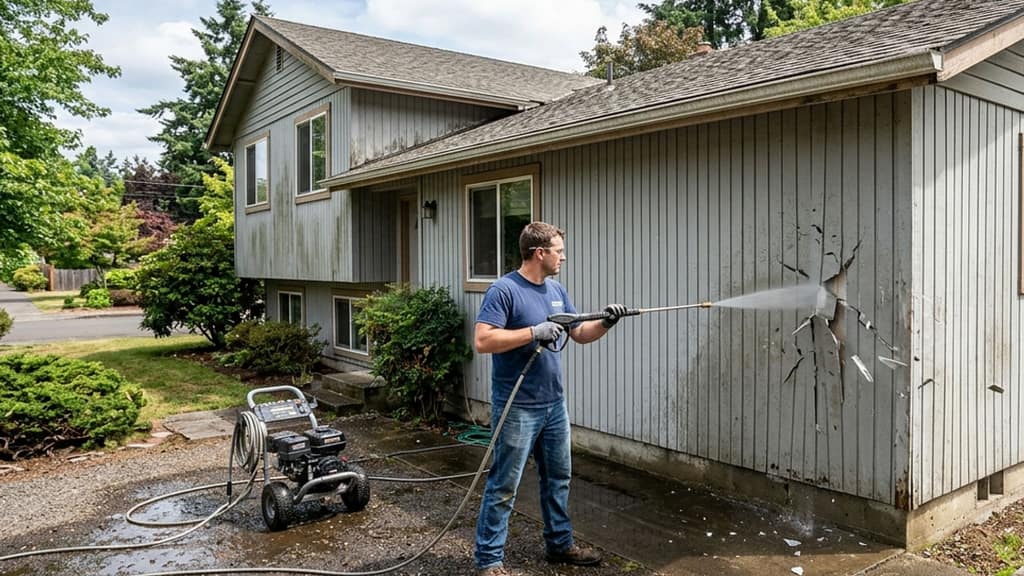
Using Too Much Pressure on Delicate Surfaces

One of the most common mistakes homeowners make is assuming more pressure equals better cleaning.

In reality, high pressure can:

  • Strip paint from siding
  • Crack vinyl panels
  • Damage wood fibers
  • Force water behind siding and cause mold growth

For example, soft materials like cedar, stucco, and older painted surfaces require low-pressure “soft washing” techniques instead of high PSI blasting.

2. Washing the Roof with High Pressure
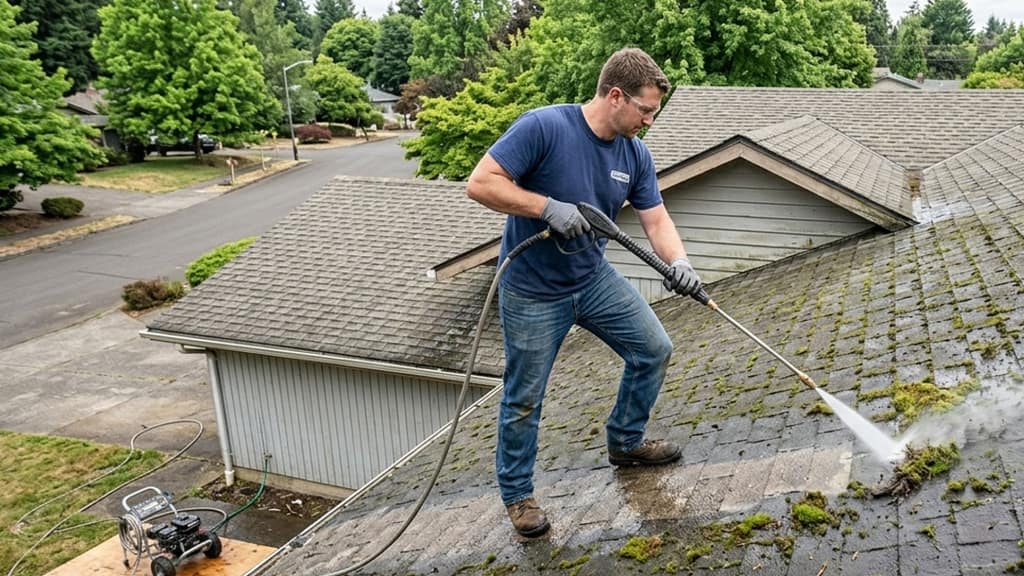
Washing the Roof with High Pressure

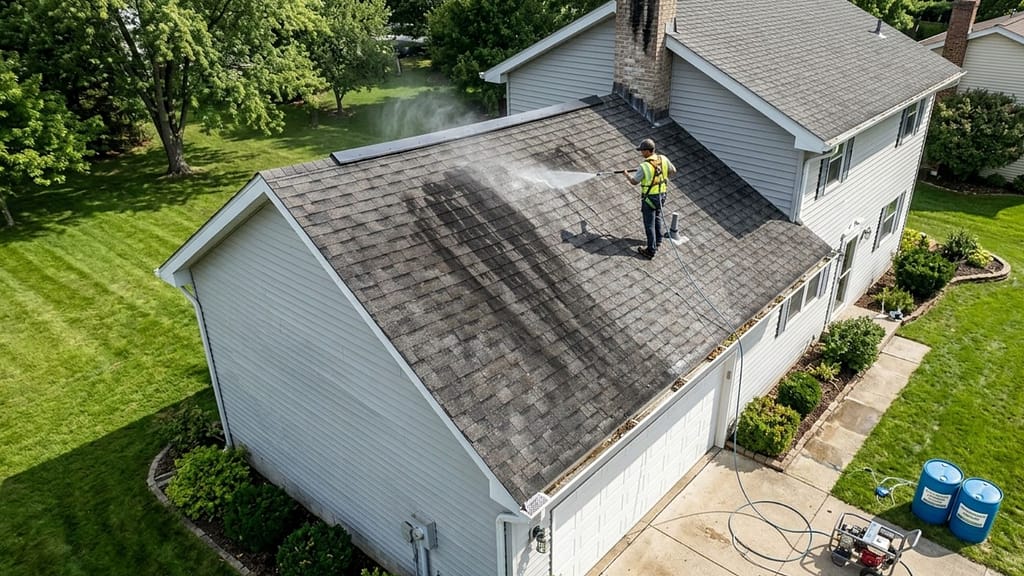
Roof cleaning is one of the riskiest DIY pressure washing tasks.

High-pressure washing can:

  • Dislodge shingles
  • Remove protective granules from asphalt roofing
  • Create leaks that may go unnoticed until major damage occurs

In Vancouver’s wet climate, moss growth is common—but proper roof cleaning should rely on low-pressure treatments and specialized solutions, not force.

3. Ignoring Water Direction and Drainage

Ignoring Water Direction and Drainage

Water intrusion is a silent but serious risk.

Homeowners often spray:

  • Upward under siding
  • Into window seals
  • Toward attic vents or soffits

This can lead to hidden moisture problems, including mold and structural rot.

Professional technicians always work top-down and away from vulnerable entry points to control water flow.

4. Using the Wrong Cleaning Solutions
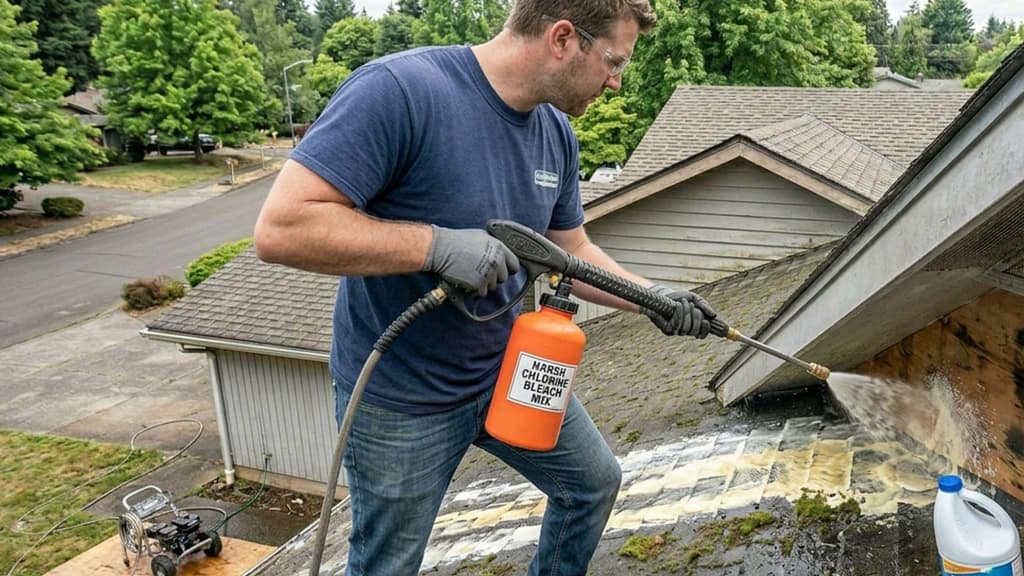
Using the Wrong Cleaning Solutions

Not all dirt is the same—and neither are cleaning agents.

Using incorrect chemicals can:

  • Discolor surfaces
  • Harm landscaping
  • Corrode metal fixtures
  • Leave residues that attract more dirt

At Forcewashing, we match detergents specifically to surface type and environmental safety standards in Washington State.

5. Standing Too Close to the Surface
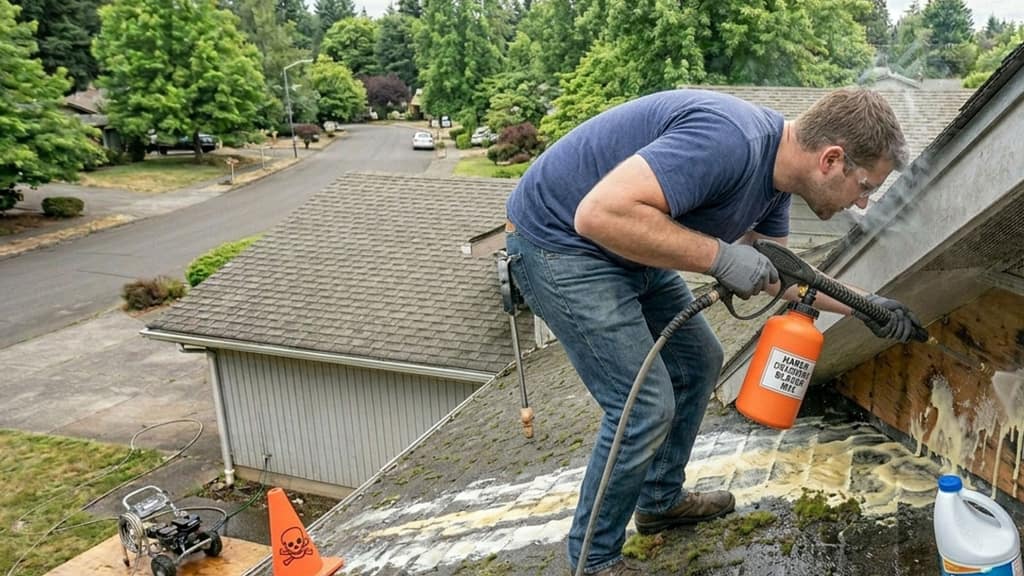
Standing Too Close to the Surface

Distance matters more than most homeowners realize.

Holding the wand too close can:

  • Etch concrete permanently
  • Damage wood grain
  • Chip paint or siding coatings

A safe working distance varies depending on pressure settings and surface type—something professionals are trained to adjust in real time.

6. Overlooking Electrical and Safety Hazards
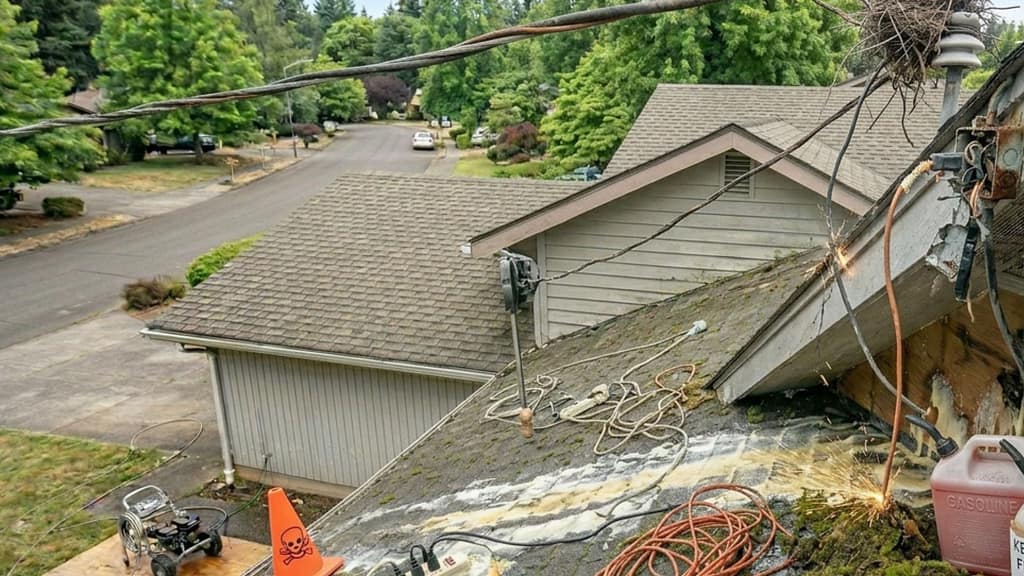
Overlooking Electrical and Safety Hazards

Water and electricity do not mix safely.

Common DIY mistakes include:

  • Spraying near outdoor outlets
  • Ignoring overhead power lines
  • Using unstable ladders while handling pressurized equipment

Professional crews follow strict safety protocols, including grounding awareness and equipment checks before every job.

7. Not Prepping the Property Properly
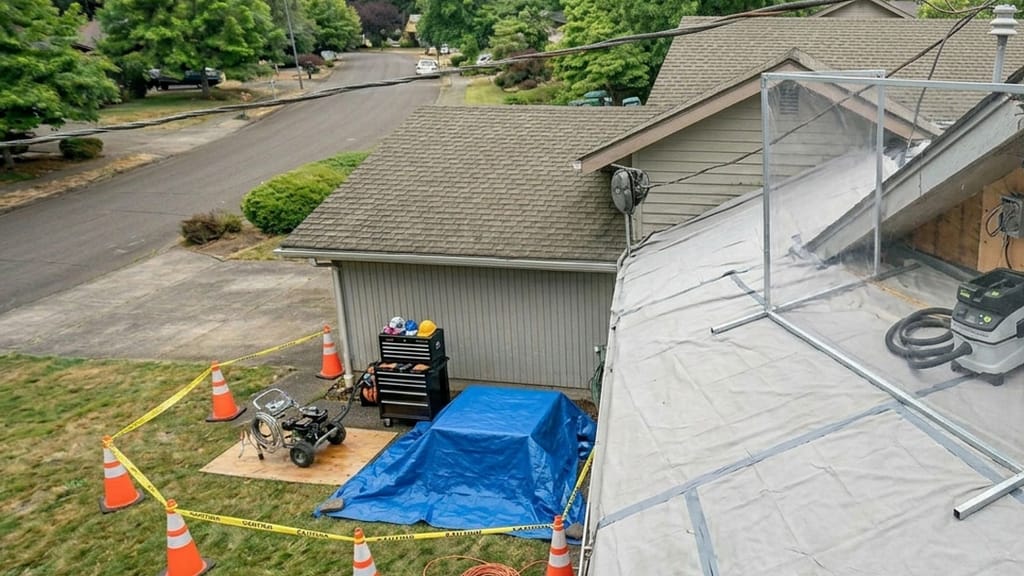
Not Prepping the Property Properly

Skipping preparation is another costly oversight.

Proper prep includes:

  • Covering electrical fixtures
  • Moving outdoor furniture
  • Securing windows and doors
  • Protecting plants and landscaping

Without preparation, even correct washing techniques can still lead to avoidable damage.

Why Local Experience in Vancouver, WA Matters

Homes in Vancouver face unique conditions:

  • Heavy rainfall and moisture buildup
  • Moss and algae growth on roofs and siding
  • Seasonal humidity changes
  • Older wood-framed structures in historic neighborhoods

That means pressure washing techniques must be adapted to local climate conditions—not just generic online advice.

Forcewashing brings local expertise to every project, ensuring cleaning methods are suited specifically for homes in Southwest Washington.

Final Thoughts

Pressure washing can dramatically improve your home’s appearance—but only when done correctly. The difference between a clean home and a damaged one often comes down to technique, pressure control, and surface knowledge.

If you’re unsure about the right approach, it’s always safer to consult trained professionals who understand both the equipment and the unique needs of Vancouver homes.

At Forcewashing, we believe in doing the job right the first time—protecting your home while restoring its curb appeal safely and effectively.

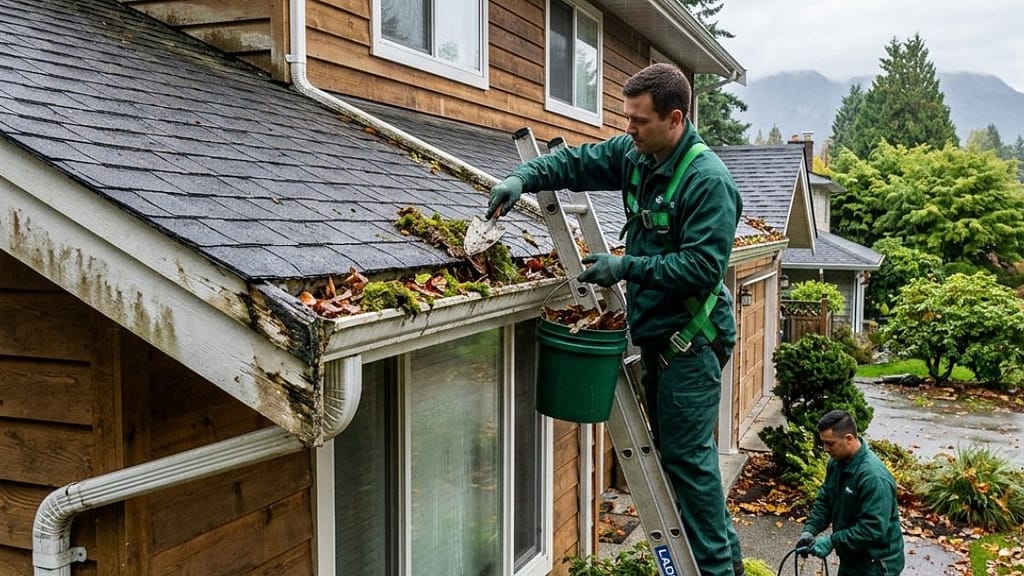
 

Why Is Gutter Cleaning Important for Homes in Vancouver, WA?

Why Professional Gutter Cleaning Matters

In a place like Vancouver, Washington—where rainfall is frequent for much of the year—your gutter system plays a critical role in protecting your home. Gutters are designed to channel rainwater away from your roof, siding, and foundation. But when they become clogged with leaves, moss, and debris, they can quickly turn from a protective feature into a source of costly damage.

As a professional in exterior cleaning and property maintenance, I’ve seen firsthand how neglected gutters can lead to serious structural issues. Here’s why regular gutter cleaning is essential for homeowners in Vancouver, WA.

Protects Your Home from Water Damage

Protects Your Home from Water Damage

Clogged gutters prevent water from flowing properly through the downspouts. Instead, water overflows and seeps into areas it shouldn’t—such as your roofline, fascia boards, siding, and even your interior walls.

In Vancouver’s wet climate, this can quickly result in:

  • Roof leaks
  • Wood rot
  • Interior water damage
  • Costly repairs

Keeping your gutters clean ensures rainwater is safely directed away from your home.

Helps Preserve Your Roof

When water backs up in clogged gutters, it can pool along the edges of your roof. Over time, this weakens roofing materials and can lead to shingle deterioration and leaks.

In the Pacific Northwest, where moss and algae growth are common, blocked gutters can make roof conditions worse by trapping moisture. Routine cleaning helps extend the life of your roofing system and prevents premature replacement.

Prevents Foundation Issues

One of the most overlooked risks of clogged gutters is damage to your home’s foundation. When water spills over the sides of your gutters, it collects around the base of your home.

This can lead to:

  • Soil erosion
  • Foundation cracks
  • Basement or crawl space flooding

A properly maintained gutter system helps control water flow and protects the structural integrity of your property.

Reduces the Risk of Mold and Mildew

Excess moisture caused by overflowing gutters creates ideal conditions for mold and mildew growth—both outside and inside your home.

This is especially important in Vancouver, WA, where damp conditions can accelerate mold development on siding, under eaves, and within attic spaces. Regular gutter cleaning helps reduce moisture buildup and supports a healthier living environment.

Keeps Pests Away

Debris-filled gutters provide a perfect nesting spot for pests like mosquitoes, rodents, birds, and insects. Standing water attracts mosquitoes, while leaves and twigs create shelter for other unwanted guests.

Routine cleaning removes these breeding grounds and helps keep your home pest-free.

Protects Your Landscaping

Overflowing gutters can cause water to cascade directly onto your landscaping, damaging plants, washing away soil, and creating uneven ground.

Maintaining clean gutters helps preserve your yard and prevents unnecessary erosion around your home.

Extends the Life of Your Gutter System

When gutters are clogged, the added weight of wet debris can cause them to sag, pull away from the house, or even break.

Professional cleaning helps:

  • Prevent structural strain
  • Reduce rust and corrosion
  • Extend the lifespan of your gutters

Why Professional Gutter Cleaning Matters

Why Professional Gutter Cleaning Matters

While some homeowners attempt DIY gutter cleaning, it can be time-consuming and risky—especially without proper equipment.

At Forcewashing, we approach gutter cleaning with a focus on safety, efficiency, and long-term results.

Our experience in Vancouver, WA allows us to identify early signs of damage, ensure proper water flow, and help homeowners avoid costly issues down the line.


How Often Should You Clean Your Gutters in Vancouver, WA?

Due to the region’s heavy rainfall and tree coverage, most homes in Vancouver should have their gutters cleaned at least twice a year—typically in the spring and fall.

However, if your home is surrounded by trees or prone to moss buildup, more frequent maintenance may be necessary. IRead more about , when to clean gutters.

Final Thoughts

Gutter cleaning is one of the simplest yet most important ways to protect your home. In a climate like Vancouver, WA, regular maintenance isn’t just recommended—it’s essential.

By keeping your gutters clean and functioning properly, you can prevent water damage, extend the life of your roof and foundation, and maintain the overall value of your property.

If you’re unsure about the condition of your gutters, having them inspected and cleaned by a professional can save you time, stress, and money in the long run.


How to Remove Black Streaks from Your Roof shingles

soft washing Roof Shingles

Black streaks on your roof aren’t just an eyesore—they’re a sign of organic growth that can slowly damage your shingles over time. For homeowners in damp, rainy climates like the Pacific Northwest, these streaks are especially common. The good news? With the right approach, they can be safely removed and prevented.

What Causes Black Streaks on Roof Shingles?

remove Black Streaks on Roof Shingles

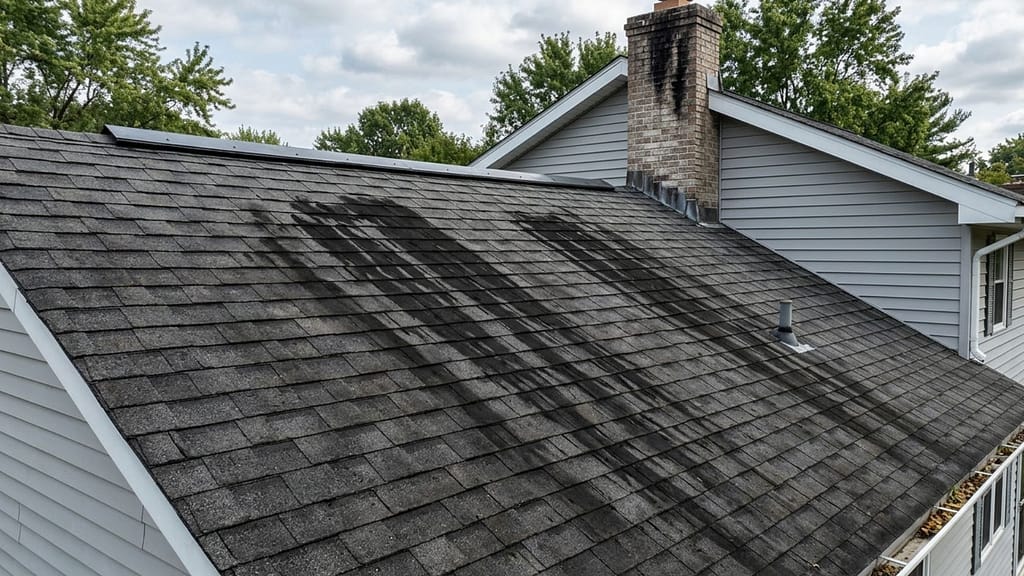
The dark streaks you see are typically caused by a type of algae called Gloeocapsa magma. This airborne algae thrives in humid environments and feeds on the limestone filler found in many asphalt shingles.

Over time, it spreads across your roof, creating unsightly stains and retaining moisture that can lead to premature shingle deterioration.

Why You Should Remove Roof Stains Promptly

Ignoring black streaks can lead to bigger issues beyond curb appeal:

  • Shortened roof lifespan due to moisture retention
  • Increased energy costs as dark stains absorb heat
  • Potential mold and mildew growth
  • Reduced home value and curb appeal

Routine maintenance helps protect your investment and keeps your home looking its best.

Safe and Effective Methods to Remove Black Streaks

soft washing Roof Shingles

1. Soft Washing (Recommended)

Soft washing is the safest and most effective method for cleaning roof shingles. It uses low-pressure water combined with eco-friendly cleaning solutions to kill algae at the root without damaging the shingles.

2. DIY Cleaning Solution

A common DIY mix includes:

  • Water
  • Sodium hypochlorite (bleach)
  • Mild detergent

Apply with a garden sprayer, let it sit for 15–20 minutes, then gently rinse. Avoid high pressure, which can strip granules and void your roof warranty.

3. Professional Roof Cleaning

Hiring professionals ensures:

  • Proper chemical ratios
  • Safe application techniques
  • Full algae removal (not just surface cleaning)
  • Reduced risk of injury or roof damage

What to Avoid When Cleaning Your Roof

  • Pressure washing – can damage shingles and remove protective granules
  • Harsh scrubbing – weakens roofing materials
  • Walking on the roof unnecessarily – increases risk of accidents and damage
  • Unverified chemicals – may harm landscaping or roofing materials

How to Prevent Black Streaks from Returning

Prevention is just as important as cleaning:

  • Install zinc or copper strips near the roof ridge
  • Trim overhanging branches to reduce shade and moisture
  • Keep gutters clean to prevent water buildup
  • Schedule regular roof inspections and maintenance

When to Call a Professional

If your roof has extensive staining, is steep, or hasn’t been cleaned in years, it’s best to call experts. Professional services ensure deep cleaning without compromising your roof’s integrity or your safety.


Why Homeowners Trust Force Washing

At Forcewashing, we specialize in safe, low-pressure roof cleaning designed to eliminate black streaks and protect your shingles for the long term. Our team uses proven soft washing techniques and eco-friendly solutions to deliver results you can see—without the risk of damage.

Final Thoughts

Black streaks may seem harmless at first, but they can lead to costly damage if left untreated. By using the right cleaning methods and staying proactive with maintenance, you can extend the life of your roof and maintain your home’s curb appeal. If you’re unsure where to start, working with a trusted professional like Force Washing is the safest and most effective solution.

Pressure Washing Pavers: What You Should Know

Pressure Washing Pavers

Pressure Washing Pavers

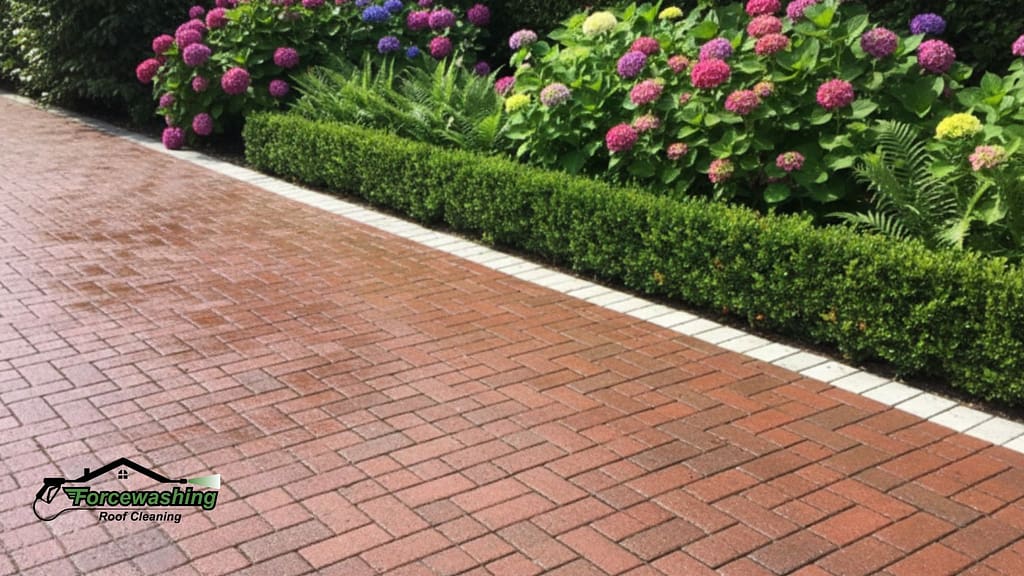
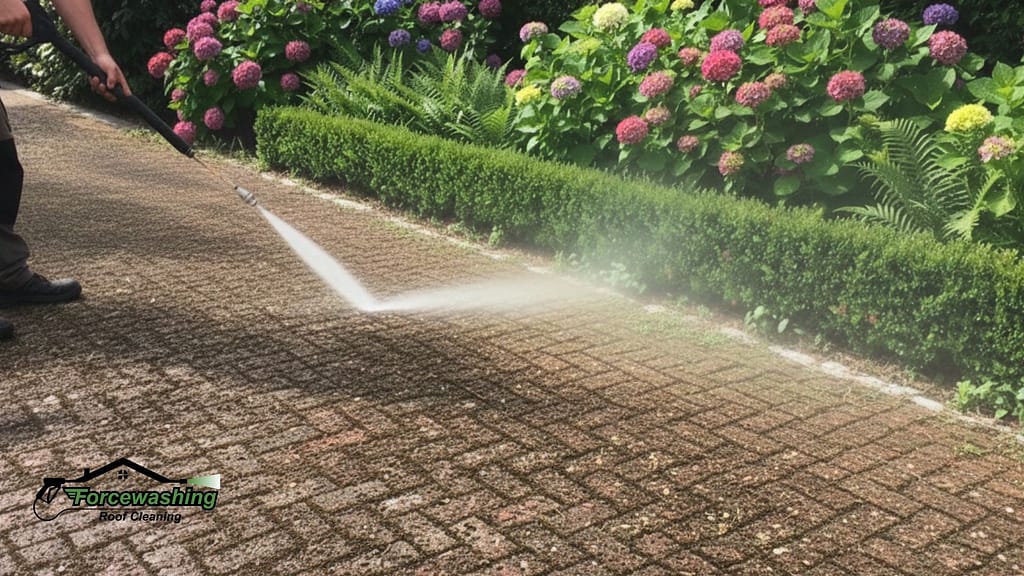
Pavers are a popular choice for driveways, patios, walkways, and pool decks thanks to their durability and visual appeal. Over time, however, dirt, algae, mold, and stains can build up on the surface, leaving pavers looking dull and slippery. Pressure washing  pavers is an effective way to restore their appearance — but it needs to be done correctly.

Here’s what you should know before pressure washing pavers.


Why Pavers Need Regular Cleaning


Pavers are constantly exposed to the elements. Moisture, shade, and organic debris create the perfect environment for algae, mildew, and weeds to grow between joints. Without routine cleaning, these issues can lead to discoloration, surface wear, and even safety hazards from slippery surfaces.

Regular pressure washing helps:

  • Restore the original color of pavers
  • Improve curb appeal
  • Reduce slipping risks
  • Extend the lifespan of the surface

Can You Pressure Wash Pavers Safely?

Pressure Wash Pavers Safely

Yes — but technique matters. Using too much pressure or the wrong nozzle can damage the paver surface, loosen joint sand, or create uneven coloring. This is one of the most common mistakes made during DIY pressure washing.

Proper pressure washing involves controlled water pressure, correct nozzle selection, and even cleaning passes to avoid damage.


The Importance of Joint Sand

Joint sand plays a critical role in keeping pavers stable and locked in place. High-pressure water can wash this sand away, leading to shifting, sinking, or weed growth.

After pressure washing, joint sand often needs to be replaced. In many cases, polymeric sand is recommended because it hardens when activated, helping prevent weeds and erosion.


Common Paver Stains and Growth

Pressure washing is especially effective at removing:

  • Dirt and grime buildup
  • Algae and moss
  • Mold and mildew
  • Light oil or rust stains

For tougher stains, professional cleaners may be applied before washing to break down contaminants without harming the pavers.


Why Professional Pressure Washing Pavers Is Recommended

Professional pressure washing services use commercial-grade equipment and specialized techniques designed specifically for pavers. This ensures effective cleaning while protecting the integrity of the surface.

A professional service can:

  • Adjust pressure based on paver type
  • Use eco-friendly cleaning solutions
  • Minimize joint sand loss
  • Deliver even, consistent results

How Often Should Pavers Be Pressure Washed?

Most paver surfaces benefit from pressure washing once every 12 to 18 months. Properties in shaded or high-moisture areas may require more frequent cleaning to control algae and mold growth.

Routine maintenance helps avoid deep staining and costly repairs down the road.


Final Thoughts

Pressure washing pavers is an excellent way to maintain their appearance and safety — but it’s not a one-size-fits-all process. Proper pressure, technique, and post-cleaning care make all the difference.

For long-lasting results and peace of mind, professional pressure washing ensures your pavers stay clean, stable, and beautiful for years to come.


How to Remove Oil Stains from Concrete Surfaces

Remove Oil Stains from Concrete Surfaces

Oil stains on concrete are one of the most common — and frustrating — problems for homeowners and business owners alike. Whether it’s a driveway, garage floor, or parking area, oil can soak deep into concrete’s porous surface and leave behind dark, unsightly marks. The good news? With the right approach, many oil stains can be significantly reduced or completely removed.

Below, we’ll walk through effective methods to remove oil stains from concrete and explain when professional force washing is the best solution.


Why Oil Stains Are Hard to Remove

Concrete may look solid, but it’s actually full of tiny pores that absorb liquids quickly. When oil spills aren’t cleaned up right away, the oil penetrates below the surface, making stains stubborn and difficult to lift with simple rinsing.

The longer the stain sits, the deeper it sets — which is why early action matters.

Step 1: Absorb Fresh Oil Spills Immediately

Absorb Fresh Oil Spills Immediately

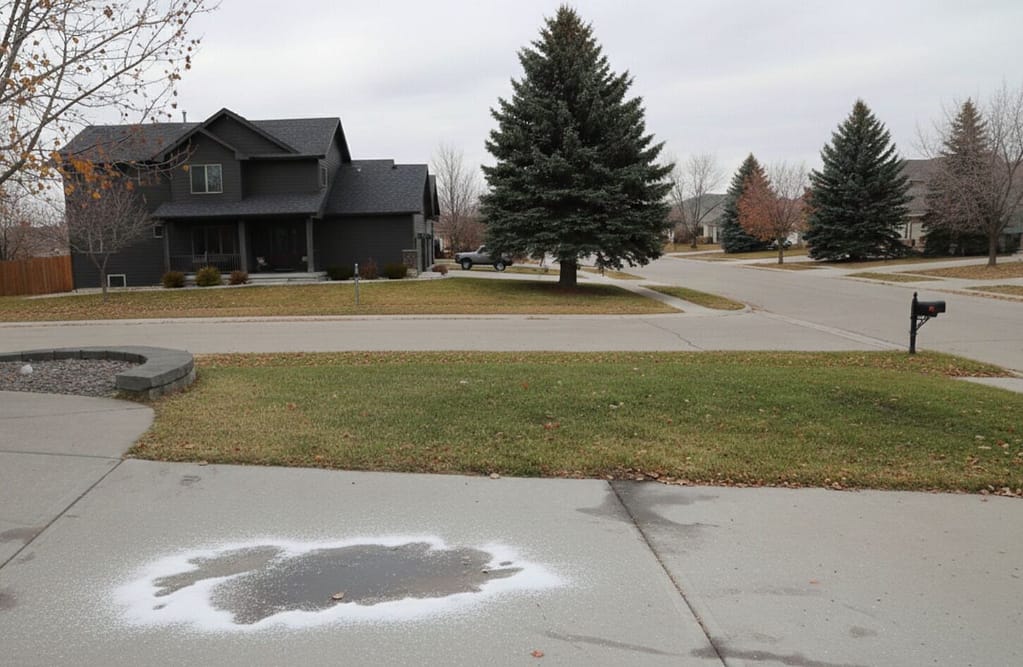
If the oil spill is fresh, start by absorbing as much oil as possible before it sinks in.

What to use:

  • Cat litter
  • Baking soda
  • Cornstarch
  • Sawdust

Spread the absorbent material generously over the spill and let it sit for several hours or overnight. Sweep it up once it has soaked in the oil.


Step 2: Apply a Degreaser or Concrete Cleaner

Apply a Degreaser or Concrete Cleaner

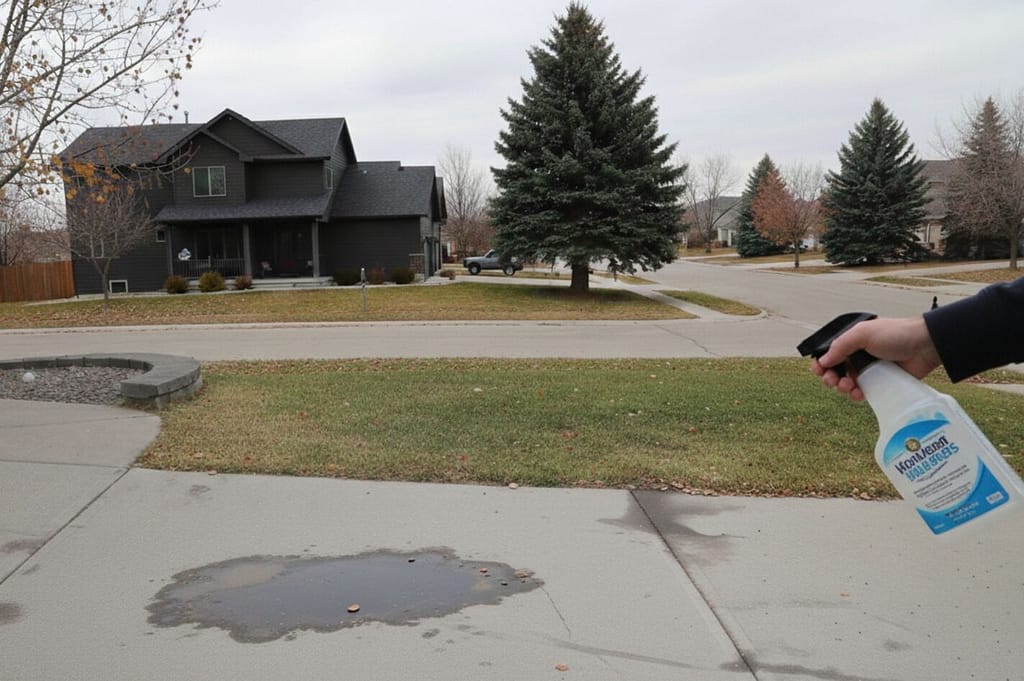
For older or darker stains, a concrete degreaser is often the most effective option.

How to do it:

  1. Sweep the area clean.
  2. Apply the degreaser directly to the stain.
  3. Let it dwell for 10–20 minutes (follow product instructions).
  4. Scrub with a stiff-bristle brush.
  5. Rinse thoroughly with water.

Repeat the process if needed for stubborn stains.

Step 3: Use Household Cleaning Solutions for Light Stains

Mild oil stains can sometimes be treated with common household items.

Popular options include:

  • Dish soap designed to cut grease
  • Baking soda paste (baking soda + water)
  • Vinegar (use sparingly)

Scrub the solution into the stain and rinse well. These methods work best on newer or lighter stains.

Step 4: Pressure Washing for Deeper Cleaning

Pressure washing is one of the most effective ways to remove oil stains from concrete, especially when paired with a degreaser.

High-pressure water helps lift oil from the concrete’s pores, restoring a cleaner, more uniform surface. However, incorrect pressure or technique can damage concrete, especially on older or decorative surfaces.


When to Call a Professional Forcewashing Service

Oil stains remove in concrete

Some oil stains won’t budge with DIY methods — especially long-standing automotive or industrial stains. Professional force washing services use commercial-grade equipment and specialized cleaners designed to safely break down oil without harming your concrete.

Hiring a professional can:

  • Save time and effort
  • Deliver more consistent results
  • Prevent surface damage
  • Improve curb appeal instantly

Preventing Future Oil Stains

Once your concrete is clean, prevention is key.

Helpful tips:

  • Clean spills as soon as they happen
  • Use drip pans under vehicles
  • Seal concrete surfaces to reduce absorption
  • Schedule routine pressure washing maintenance

Final Thoughts

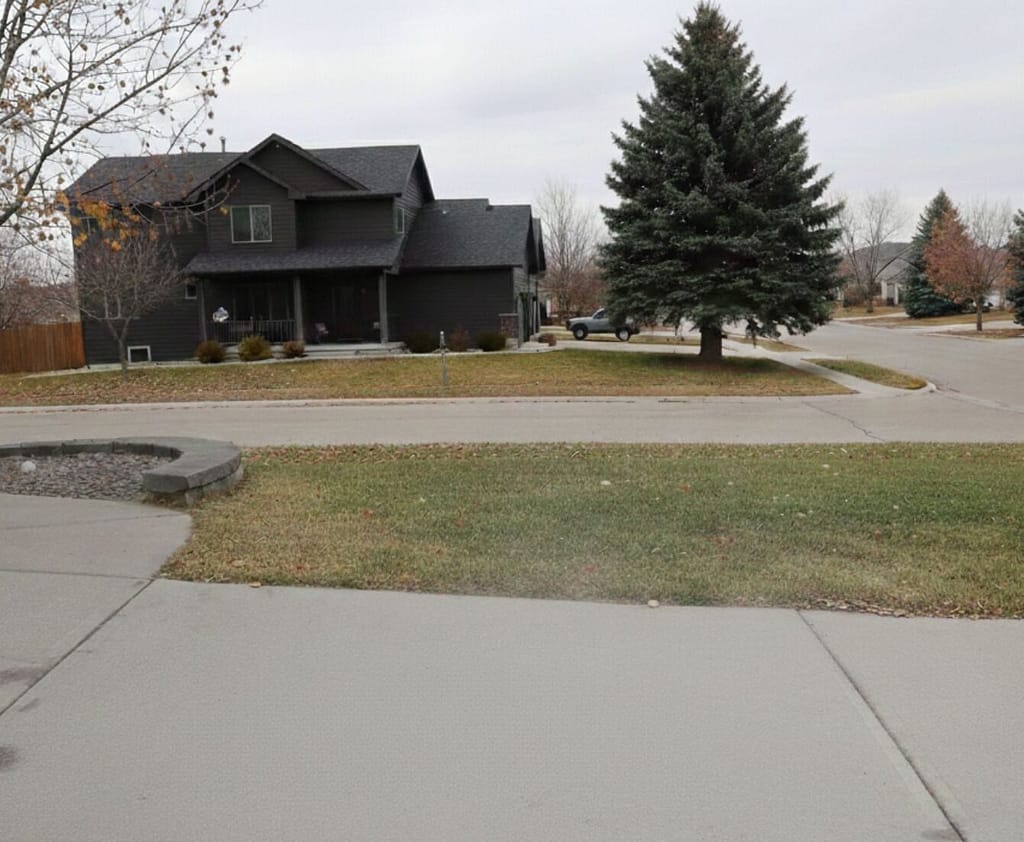
Oil stains don’t have to be permanent. With the right cleaning methods — and professional force washing when needed — your concrete surfaces can look clean, bright, and well-maintained again.

If oil stains are taking away from your home or property’s appearance, expert force washing is often the fastest and most effective solution.

What Types of Gutters Need to Be Cleaned?

Forcewashing Gutter Cleaning Service

different kinds of gutter to clean

Gutter cleaning is one of those home maintenance tasks that can’t be skipped, no matter what type of gutter system you have. Many Vancouver, WA homeowners ask us: Are there certain types of gutters that don’t require cleaning?

The short answer — all gutters need maintenance, but the cleaning frequency can vary depending on the style and material.


Common Types of Gutters and Their Cleaning Needs


1. K-Style Gutters

  • Most common in modern homes. 
  • Their decorative shape looks like crown molding but also tends to trap more debris in the corners. 
  • Require cleaning at least twice a year, sometimes more if your home is near trees. 

2. Half-Round Gutters

  • Rounded, open shape that allows water to flow more easily. 
  • Less likely to trap debris compared to K-style, but still collect leaves and dirt over time. 
  • Need cleaning at least twice a year to prevent clogs. 

3. Box Gutters

  • Often found in older or historic homes. 
  • Built into the roof structure and harder to access. 
  • Can collect large amounts of debris, requiring professional cleaning two to three times a year. 

4. Seamless Gutters

  • Custom-fitted with fewer joints, reducing the risk of leaks. 
  • Still collect debris and need regular cleaning to maintain performance. 

What About Gutter Guards?

Gutter guards can help reduce the amount of debris that enters your gutters, but they don’t eliminate the need for cleaning. Dirt, shingle granules, and small debris can still build up over time, and gutter guards themselves need maintenance.

Why Regular Cleaning Matters

Regardless of gutter type, clogged gutters can cause:

  • Water damage to your roof, siding, and foundation 
  • Mold growth 
  • Landscaping erosion 

Routine cleaning keeps water flowing properly and protects your home. 

Read about: Why is gutter cleaning important?

Professional Gutter Cleaning in Vancouver, WA

Forcewashing Gutter Cleaning Service

At ForceWashing, we have the tools and experience to clean all gutter types safely and effectively. Whether you have a modern seamless system or an older box gutter setup, our team ensures your home stays protected from water damage year-round.
Protect your home with expert gutter care.
📞 Call ForceWashing at (360) 936-0466  or book a cleaning online today.


How to Clean Clogged Gutters Yourself

DIY GUTTER CLEANING

DIY GUTTER CLEANING

Clogged gutters can cause serious problems for your home — from roof leaks to foundation damage. While many Vancouver, WA homeowners hire professionals for the job, some prefer the DIY route. If you’re thinking about tackling your own gutter cleaning, here’s a step-by-step guide to do it safely and effectively.

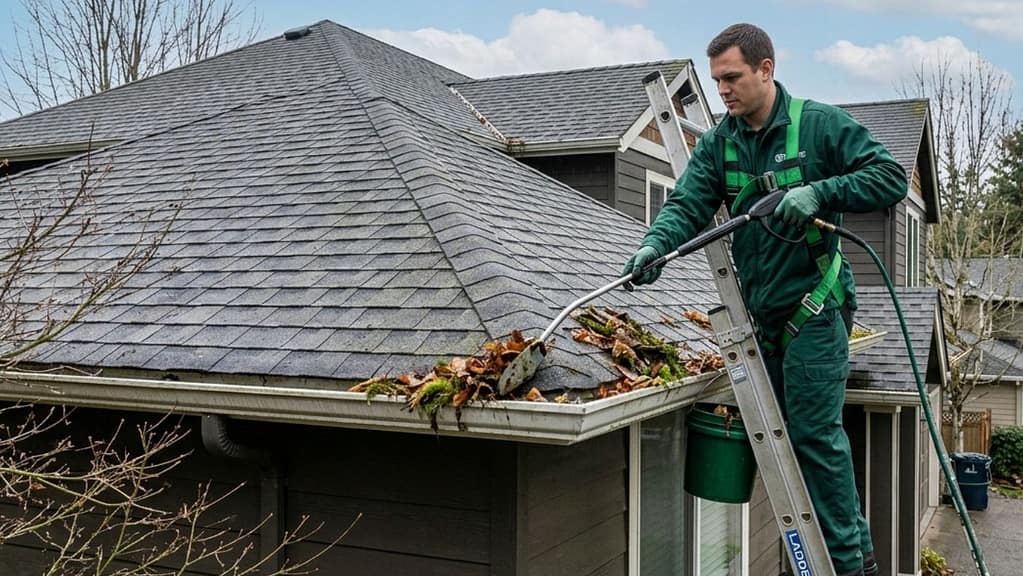
Important: Cleaning gutters involves working at heights. If you’re uncomfortable on a ladder or your home has multiple stories, it’s best to call a professional like ForceWashing.

Tools You’ll Need

  • Sturdy ladder (preferably with a stabilizer)
  • Work gloves to protect your hands
  • Bucket or tarp for collecting debris
  • Gutter scoop or small plastic shovel
  • Garden hose with spray nozzle
  • Safety glasses to protect from debris

Step-by-Step Gutter Cleaning


1. Set Up Your Ladder Safely

Place your ladder on solid, level ground. Avoid leaning it directly against the gutters, which can dent or damage them.

2. Remove Large Debris

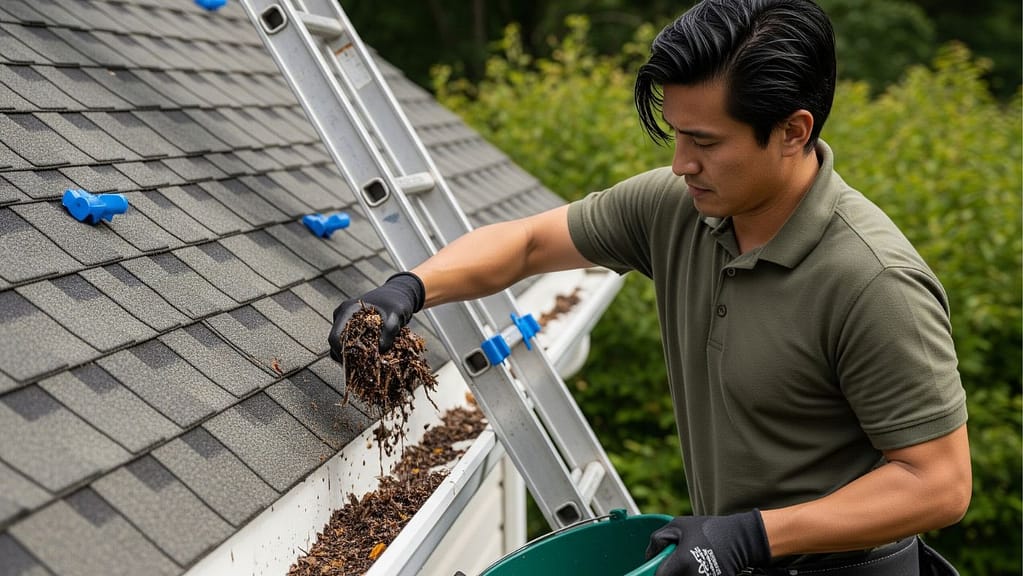
Use your hands (with gloves) or a gutter scoop to remove leaves, sticks, and moss buildup. Place debris into a bucket or onto a tarp below.

3. Flush the Gutters

Once the larger debris is cleared, use a garden hose to flush out smaller particles and dirt. This also helps you check for proper water flow.

4. Check the Downspouts

If water doesn’t drain, your downspout may be clogged. Use the hose to spray from the top down. If the clog persists, you may need a plumber’s snake to dislodge it.

5. Inspect for Damage

While cleaning, look for loose fasteners, sagging sections, or leaks that may need repair.

Safety Tips

  • Never clean gutters from the roof — it’s risky and can damage shingles.
  • Don’t overreach while on the ladder; move it frequently instead.
  • Have someone spot you for added safety.

When to Call a Professional

PROFESSIONAL GUTTER CLEANING SERVICE FORCEWASHING

DIY gutter cleaning can work for single-story homes with easy access, but if your gutters are high, clogged with compacted debris, or require repair, ForceWashing can handle the job quickly, safely, and thoroughly.

Keep your gutters flowing and your home protected.
📞 Call ForceWashing at  (360) 936-0466 or schedule your cleaning online for professional gutter care in Vancouver, WA.


How Often Should Gutters Be Cleaned?

How Often Should Gutters Be Cleaned

Gutters play a critical role in protecting your home from water damage by channeling rainwater away from your roof, walls, and foundation. But to do their job properly, they need regular maintenance. One of the most common questions we hear from Vancouver, WA homeowners is: How often should gutters be cleaned?

How Often Should Gutters Be Cleaned


The General Rule for Gutter Cleaning

For most homes, gutters should be cleaned at least twice a year — once in the late fall after most of the leaves have dropped, and again in the spring to clear out winter debris. This schedule helps prevent clogs and keeps water flowing smoothly through your downspouts.

Read How Much Does It Cost to Clean Gutters in Vancouver, WA?

Factors That Affect Cleaning Frequency

While twice a year is the standard recommendation, some homes require more frequent cleaning. Here are a few factors that can impact how often you should schedule service:

  • Trees Around Your Home – If you have pine trees, large maples, or other heavy-shedding species nearby, you may need to clean your gutters three to four times a year. 
  • Roof Type – Some roof materials shed more granules or debris than others, which can speed up clogs. 
  • Vancouver Weather – Our Pacific Northwest climate brings plenty of rain, wind, and seasonal storms, all of which can push debris into your gutters. 
  • Home Location – Homes near wooded areas or open fields may accumulate debris faster than those in less exposed neighborhoods. 

Risks of Neglecting Gutter Cleaning

Skipping cleanings can lead to clogged gutters, which cause water to overflow and damage your home. Common problems include:

  • Rotting fascia boards
  • Roof leaks
  • Foundation erosion
  • Landscape washouts 

These repairs often cost far more than routine gutter maintenance.

Professional Gutter Cleaning in Vancouver, WA

At ForceWashing, we recommend setting up a regular maintenance schedule so you never have to worry about clogged gutters damaging your home. Our team uses professional equipment to safely remove debris and check for potential issues before they become costly problems. 

Stay ahead of gutter problems before they start.
📞 Call ForceWashing at (360) 936-0466  or schedule your cleaning online for reliable gutter maintenance in Vancouver, WA.


How much does gutter cleaning cost in Vancouver WA?

gutter cleaning cost in Vancouver WA

If you live in Vancouver, WA, you know how much rain, wind, and falling leaves we get throughout the year. All that weather can quickly clog your gutters with leaves, pine needles, and debris.  The big question most homeowners have is: How much does gutter cleaning cost in Vancouver?


average gutter cleaning cost in Vancouver WA

Average Gutter Cleaning Costs in Vancouver, WA

In the Vancouver area, most homeowners can expect to pay anywhere from $150 to $300 for a professional gutter cleaning service. The exact price depends on several factors:

  • Size of Your Home – Larger homes with more linear feet of gutters will take more time and labor, which increases the cost.
  • Number of Stories – Multi-story homes require additional safety equipment and ladder work, often adding to the price.
  • Condition of the Gutters – If your gutters are heavily clogged or haven’t been cleaned in a while, extra time and effort will be needed.
  • Accessibility – Homes with steep roofs, landscaping obstacles, or difficult-to-reach sections may cost more to service. 

Why Gutter Cleaning is Worth the Investment

Neglecting your gutters can lead to serious home damage. Clogged gutters can cause water to overflow, leading to roof leaks, fascia board rot, foundation problems, and even basement flooding. For a relatively small investment, you can save yourself thousands of dollars in repairs down the road. Read Why is gutter cleaning important?


How Often Should You Clean Your Gutters in Vancouver?

Here in the Pacific Northwest, experts recommend cleaning your gutters at least twice a year — typically in the late fall after leaves have dropped and again in spring to clear winter debris. If you have a lot of trees around your home, you may need to clean them more often. When to clean gutters? Top Signs Your Gutters Need Cleaning


Professional Gutter Cleaning with ForceWashing

Gutter cleaning service of Forcewashing

At ForceWashing, we specialize in safe, thorough gutter cleaning for homes across Vancouver, WA. Our team uses professional-grade equipment to remove all debris and ensure your gutters and downspouts are flowing properly. We also perform a visual inspection so you know if there are any signs of damage that need attention.

Protect your home from costly water damage.
📞 Call ForceWashing today at (360) 936-0466 or request a free estimate online to schedule your gutter cleaning service in Vancouver, WA.


The Importance Of Keeping Your Gutter Clean During Winter

Gutter Cleaning during Winter

Winter is a season of cozy nights, snow-covered landscapes, and festive cheer—but it also brings unique challenges for home maintenance. Among these is the critical task of keeping your gutters cleanWhile they may seem like a small detail in the grand scheme of home care, gutters play a vital role in protecting your property from winter weather woes.

In this blog, we’ll explore why gutter cleaning during winter is important, the potential hazards of neglecting this task, and practical tips for keeping your gutters in tip-top shape.  Whether you’re a seasoned homeowner or new to maintaining a property, this guide will help you keep your home safe and sound this winter season.


How Winter Impacts Your Gutters

  1. Prevent Water Damage to Your Home – When gutters are clogged, melting snow and ice have nowhere to go, causing water to spill over the edges. This can lead to water seeping into your walls, ceilings, and insulation, creating expensive repair issues such as mold, mildew, and structural weakening. 
  2. Avoid Foundation Cracks and Settling – Overflowing water from clogged gutters can pool around your home’s foundation. During freezing temperatures, this water can seep into small cracks and expand as it freezes, worsening the cracks and potentially leading to settling or shifting in your foundation.
  3. Preserve Your Landscaping and Walkways – Excess water spilling from your gutters can erode soil, damage plants, and create icy walkways. These issues not only detract from your home’s curb appeal but can also pose safety hazards during winter.
  4. Protect Your Gutter System From Rust and Corrosion – Leaves, debris, and moisture trapped in your gutters can speed up rust and corrosion, especially during winter’s wet conditions. Regular cleaning helps maintain the integrity and longevity of your gutter system.
  5. Avoid Pest Infestations – Clogged gutters filled with leaves and debris create a cozy habitat for pests like rodents, birds, and insects. Winter makes them even more likely to seek shelter in these areas, potentially leading to infestations near your home.
  6. Safeguard Your Roof – Ice dams, caused by blocked gutters and poor drainage, can trap water on your roof. This water can seep under shingles and into your home, causing leaks and structural damage. Keeping gutters clean ensures water and melted snow flow away from your roof as intended.


How to Maintain Clean Gutters During Winter

Gutter Cleaning Maintenance during Winter


  1. Clean Your Gutters Before the First Snowfall
    – Prevention is key when it comes to winter gutter cleaning. Remove leaves, twigs, and debris from your gutters in late fall before snow and ice set in. Starting with clean gutters minimizes the risk of clogs and helps water flow freely when snow begins to melt. 
  2. Install Gutter Guards 
    – Gutter guards are an excellent investment to reduce debris accumulation. These covers prevent leaves, sticks, and other materials from entering your gutters while allowing water to flow through. They’re especially useful during winter, as they can reduce the need for frequent cleanings.
  3. Regularly Inspect Gutters and Downspouts
    – Throughout winter, make it a habit to check your gutters and downspouts for any blockages or damage. Snow and ice can cause cracks or sagging, so addressing issues promptly can prevent more significant problems like water damage or ice dams. 
  4. Rinse with Low-Pressure Water
    – On milder winter days, use a low-pressure hose to rinse out any small debris that may have accumulated. Be cautious not to use high-pressure water, as it could freeze or damage your gutter system in colder temperatures.
  5. Dry if Necessary
    – If water remains in your gutters after cleaning or rinsing, it’s a good idea to dry them out to prevent ice formation. Use a clean towel or sponge to remove excess moisture, especially in areas prone to pooling water.


How Often Should You Clean Your Gutter During Winter?

During winter, how often you should clean your gutters depends on your climate and environment. In areas with heavy snowfall or frequent ice, monthly cleaning is recommended to prevent blockages and ice dams. After major storms, it’s essential to check for debris or ice buildup and clean as needed. In milder winter climates, once or twice during the season may suffice, especially if gutters are inspected regularly for signs of overflow or clogs. Staying proactive ensures your gutter system functions properly, protecting your home from potential water damage and freezing issues.


Is Professional Gutter Cleaning Cleaning Worth It?

Professional gutter cleaning is often worth the investment, especially if you lack the time, tools, or ability to safely handle the task yourself. Experts bring specialized equipment and knowledge to thoroughly clean gutters, address hard-to-reach areas, and identify potential issues like leaks or structural damage. Hiring professionals reduces the risk of accidents, particularly in multi-story homes or during icy winter conditions. Additionally, their expertise can extend the lifespan of your gutter system and prevent costly repairs caused by neglect, making it a smart choice for homeowners prioritizing convenience and safety.


Final Thoughts

Maintaining clean gutters during winter is not just a matter of convenience—it’s an essential part of protecting your home from the harsh effects of the season. From preventing water damage and foundation cracks to safeguarding your roof and landscaping, clean gutters play a vital role in keeping your property safe and functional.

By taking proactive steps like clearing debris before the first snowfall, inspecting regularly, and investing in tools like gutter guards, you can avoid costly repairs and enjoy peace of mind all winter long. Remember, a little effort now can save you significant time, money, and stress.

Clean gutters are a cornerstone of winter home maintenance, protecting your property from water damage, ice dams, and structural issues. Whether you choose to tackle the task yourself or hire professionals, keeping your gutters clear ensures they function effectively throughout the season. By staying proactive, inspecting regularly, and addressing potential problems early, you can save time, money, and stress. A well-maintained gutter system not only safeguards your home but also provides peace of mind, allowing you to focus on enjoying the winter season without worry.