Pressure washing is one of the fastest ways to refresh a home’s exterior, boost curb appeal, and remove years of built-up dirt, moss, and mildew. But when done incorrectly, it can also cause costly damage to siding, roofing, paint, and landscaping.
At Forcewashing in Vancouver, WA, we’ve seen firsthand how DIY pressure washing mistakes can turn a simple weekend project into an expensive repair job. With years of field experience working on homes across Clark County, we’ve identified the most common errors homeowners make—and how to avoid them.
Why Pressure Washing Requires Care and Experience
Pressure washing looks simple: point, spray, clean. But in practice, it requires technical knowledge of water pressure, surface materials, detergents, and safety techniques.
Professional operators are trained to understand:
- PSI (pressure levels) appropriate for each surface
- Proper nozzle selection and spray angles
- Chemical dilution and environmental safety
- Risk areas like windows, seals, and roofing materials
Without this knowledge, even well-intentioned cleaning can lead to permanent damage.
1. Using Too Much Pressure on Delicate Surfaces
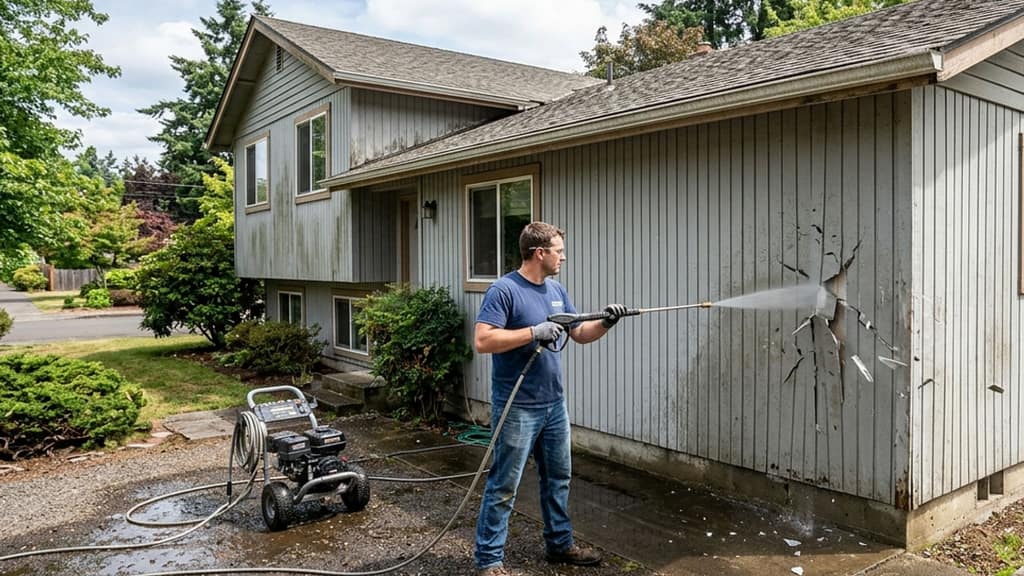
One of the most common mistakes homeowners make is assuming more pressure equals better cleaning.
In reality, high pressure can:
- Strip paint from siding
- Crack vinyl panels
- Damage wood fibers
- Force water behind siding and cause mold growth
For example, soft materials like cedar, stucco, and older painted surfaces require low-pressure “soft washing” techniques instead of high PSI blasting.
2. Washing the Roof with High Pressure
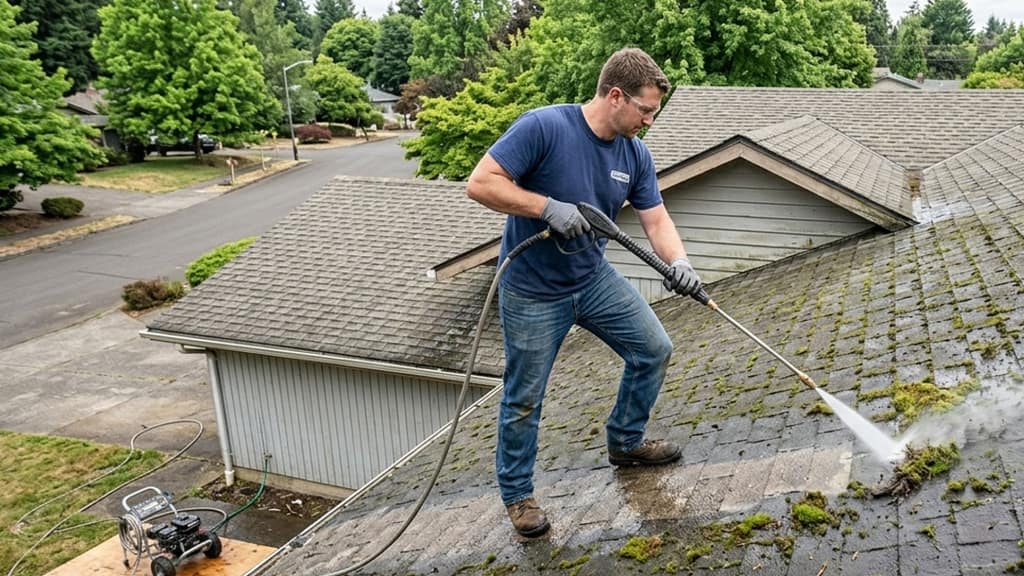
Roof cleaning is one of the riskiest DIY pressure washing tasks.
High-pressure washing can:
- Dislodge shingles
- Remove protective granules from asphalt roofing
- Create leaks that may go unnoticed until major damage occurs
In Vancouver’s wet climate, moss growth is common—but proper roof cleaning should rely on low-pressure treatments and specialized solutions, not force.
3. Ignoring Water Direction and Drainage

Water intrusion is a silent but serious risk.
Homeowners often spray:
- Upward under siding
- Into window seals
- Toward attic vents or soffits
This can lead to hidden moisture problems, including mold and structural rot.
Professional technicians always work top-down and away from vulnerable entry points to control water flow.
4. Using the Wrong Cleaning Solutions
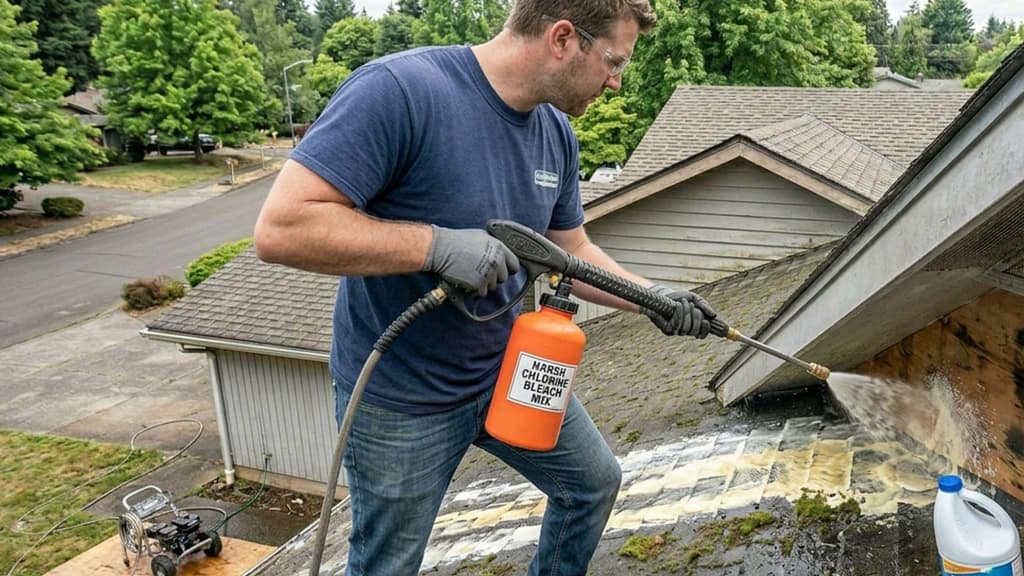
Not all dirt is the same—and neither are cleaning agents.
Using incorrect chemicals can:
- Discolor surfaces
- Harm landscaping
- Corrode metal fixtures
- Leave residues that attract more dirt
At Forcewashing, we match detergents specifically to surface type and environmental safety standards in Washington State.
5. Standing Too Close to the Surface
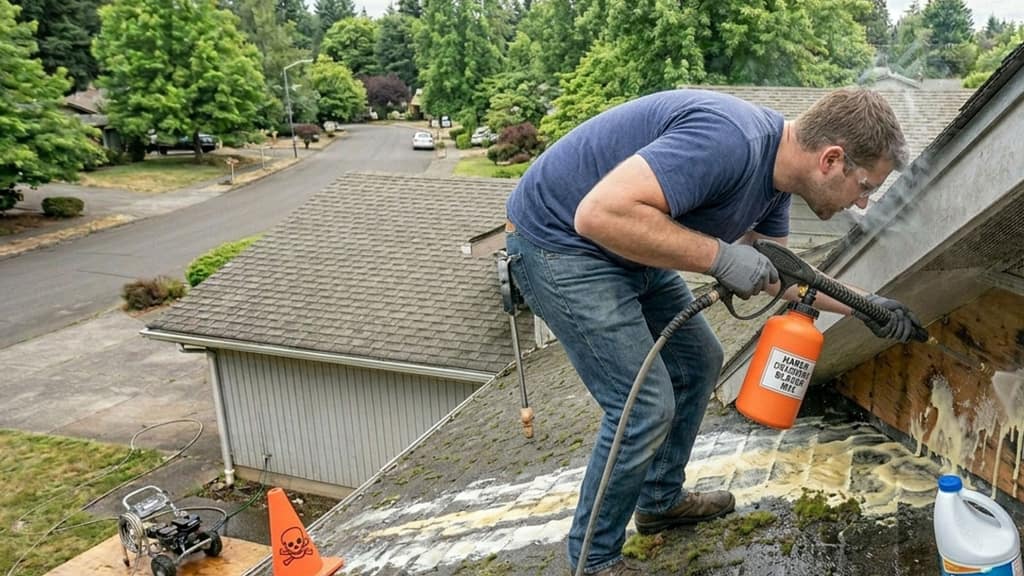
Distance matters more than most homeowners realize.
Holding the wand too close can:
- Etch concrete permanently
- Damage wood grain
- Chip paint or siding coatings
A safe working distance varies depending on pressure settings and surface type—something professionals are trained to adjust in real time.
6. Overlooking Electrical and Safety Hazards
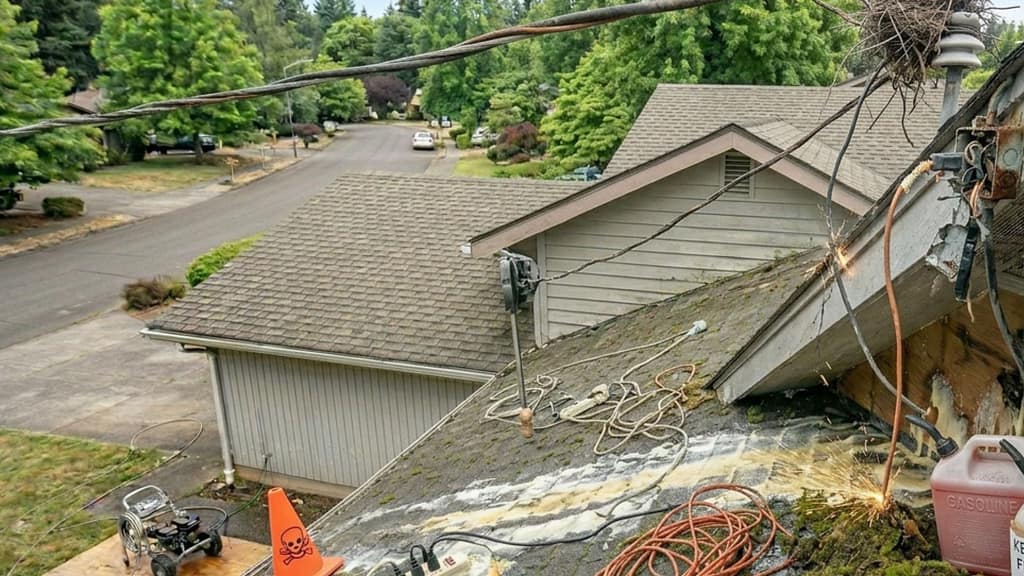
Water and electricity do not mix safely.
Common DIY mistakes include:
- Spraying near outdoor outlets
- Ignoring overhead power lines
- Using unstable ladders while handling pressurized equipment
Professional crews follow strict safety protocols, including grounding awareness and equipment checks before every job.
7. Not Prepping the Property Properly
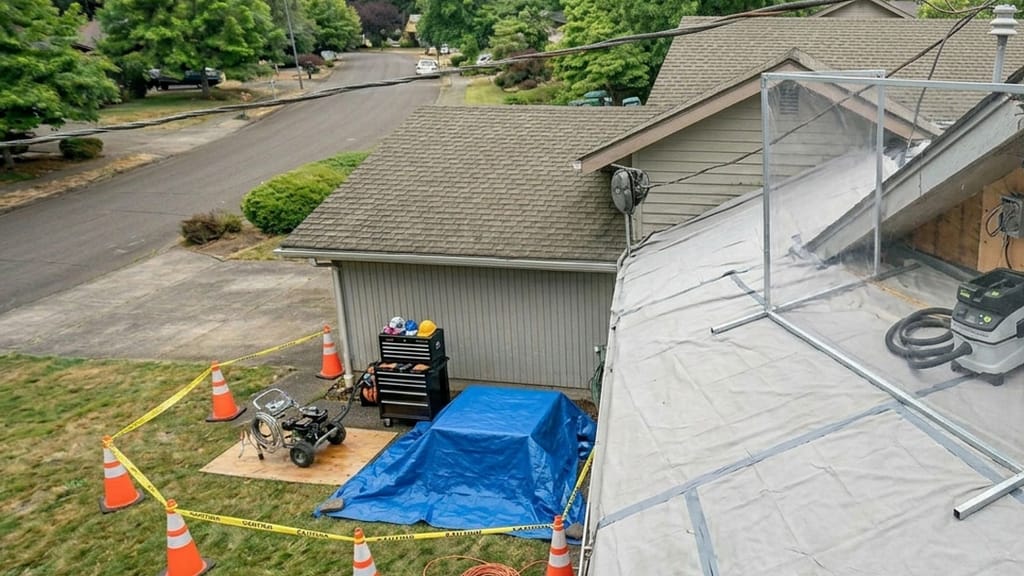
Skipping preparation is another costly oversight.
Proper prep includes:
- Covering electrical fixtures
- Moving outdoor furniture
- Securing windows and doors
- Protecting plants and landscaping
Without preparation, even correct washing techniques can still lead to avoidable damage.
Why Local Experience in Vancouver, WA Matters
Homes in Vancouver face unique conditions:
- Heavy rainfall and moisture buildup
- Moss and algae growth on roofs and siding
- Seasonal humidity changes
- Older wood-framed structures in historic neighborhoods
That means pressure washing techniques must be adapted to local climate conditions—not just generic online advice.
Forcewashing brings local expertise to every project, ensuring cleaning methods are suited specifically for homes in Southwest Washington.
Final Thoughts
Pressure washing can dramatically improve your home’s appearance—but only when done correctly. The difference between a clean home and a damaged one often comes down to technique, pressure control, and surface knowledge.
If you’re unsure about the right approach, it’s always safer to consult trained professionals who understand both the equipment and the unique needs of Vancouver homes.
At Forcewashing, we believe in doing the job right the first time—protecting your home while restoring its curb appeal safely and effectively.