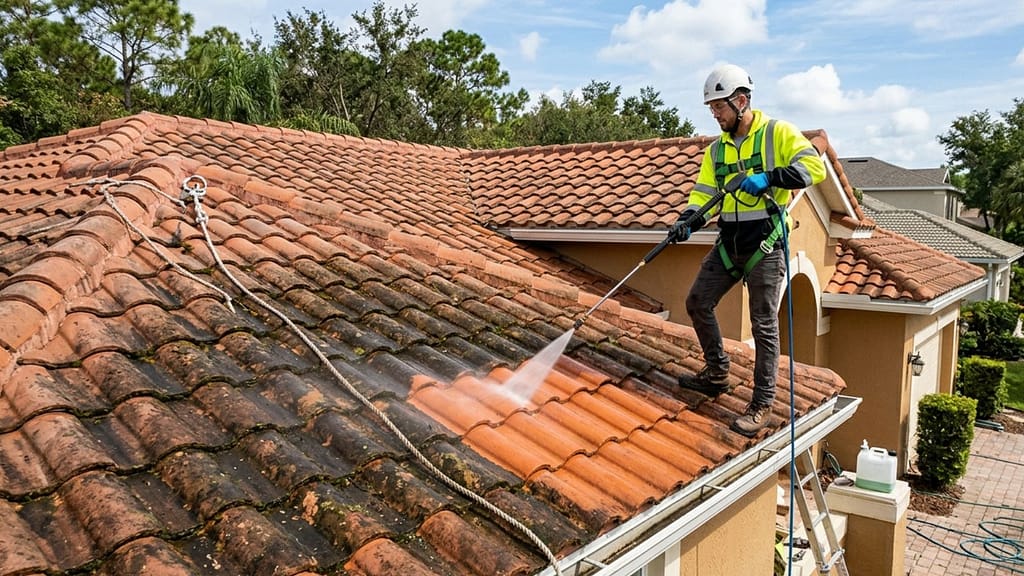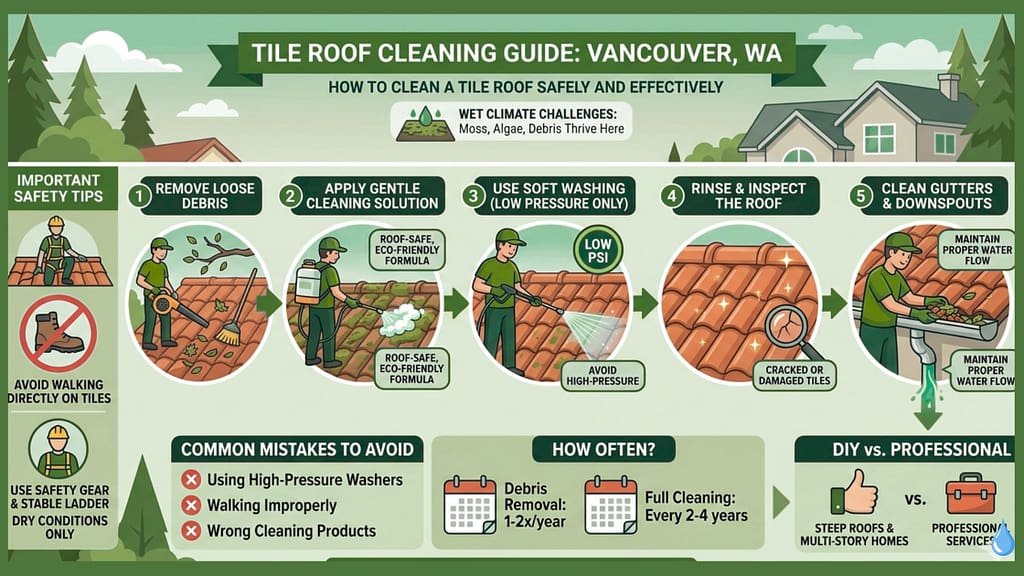

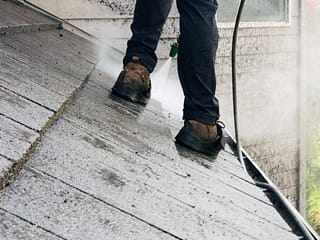
Keeping the exterior of your home sparkling clean is an integral part of home maintenance. Among the many tools at your disposal, having pressure washing done is critical due to its efficiency and effectiveness. But do you know how to use a pressure washer safely and effectively?
This guide will break down the process of pressure washing cleaning, offering expert tips on exterior pressure washing so you can keep your home looking its best.
What Are the Different Types of Pressure Washers
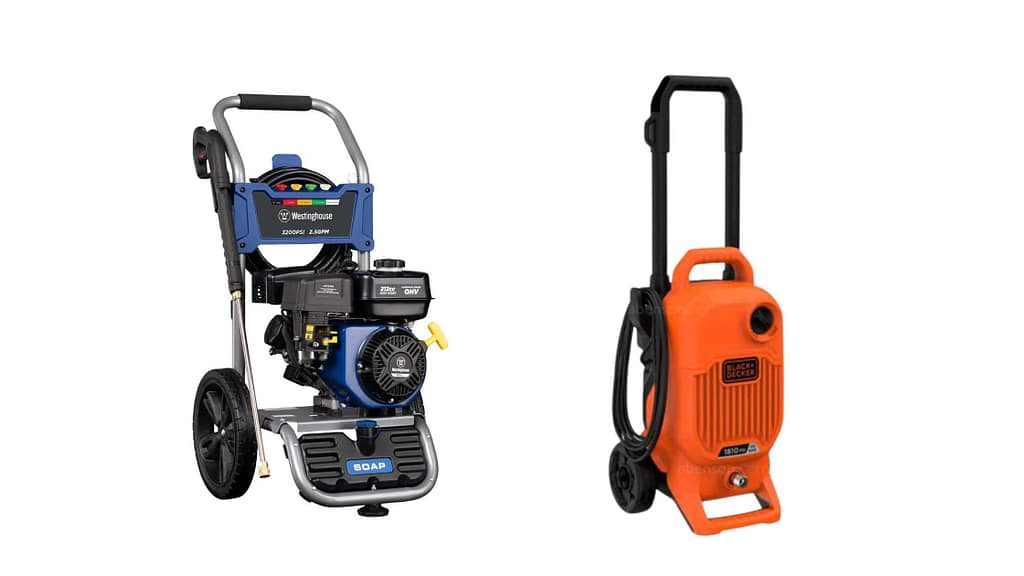
If you are considering pressure cleaning your home exterior, the first step is getting acquainted with the different types of pressure washers available in the market. Most commonly, you will encounter two types of pressure washers – gas and electric. Each of these types has its characteristics and pressure washing cleaning capabilities. It’s essential to choose the right one based on your needs.
Gas Pressure Washers
Gas pressure washers are typically recognized for their robust power. Typically, they are fueled by either gasoline or diesel, resulting in a forceful stream of water. Here are some of its main features:
- Strength: If you have a large area to clean or a tougher grim that requires more power, a gas pressure washer is your best pick. It’s highly effective in eliminating stubborn dirt, algae, and mildew from your house’s exterior.
- Mobility: Since they run on fuel and do not require a power outlet, gas pressure washers offer a higher degree of mobility and are free of cords. This feature is excellent for homes with a large outdoor space.
- Noise: One downside to consider is that gas pressure washers tend to be noisy due to their powerful engines. If you live in a quiet neighborhood, it’s a factor you might need to consider.
Electric Pressure Washers
If you’re dealing with smaller areas and surfaces that are not too heavily soiled, electric pressure washers might be a more suitable choice. Here are the key points to note:
- Power: Electric pressure washers generate less power compared to their gas counterparts. But don’t let that fool you; they are surprisingly effective when it comes to light and medium-duty cleaning tasks.
- Noise Level: If you prefer a quieter cleaning process, electric pressure washers have got you covered. They run significantly quieter, thus not disturbing your peace or bothering the neighbors.
- Minimal Damage: Due to the lower PSI (Pressure per Square Inch), electric pressure washers pose less risk of damage to your property. They are ideal for sensitive areas such as small patios, decks, and other lighter surfaces that you want to handle gently.
Understanding the main types of pressure washers and their key characteristics will guide you to make a more informed decision that suits your specific pressure washing cleaning needs and preferences.
Why Is Using the Right Pressure Necessary
Part of knowing how to use a pressure washer is understanding the right pressure for different surfaces. You don’t want to damage your property while intending to clean it. As a general rule, using low pressure is safer and prevents damage. A pressure between 1300 to 2400 PSI is adequate in most instances.
Preparing for the Pressure Washing Process
Safety First
When it comes to exterior pressure washing, safety should always come first. Here’s what you need:
- Ear Protection: Pressure washers can be loud, especially the gas types. To protect your hearing, ensure you use ear protection.
- Eye Protection: There’s a lot of dirt and debris that flies around during pressure washing. Eye protection shields your eyes from any potential harm.
- Gloves: Handling the pressure washer for extended periods can lead to fatigue. Gloves can offer extra padding and enhanced grip.
Clear the Area
Remove any objects, furniture, or debris from your cleaning area. From toys to plant pots, make sure the area is clear so you can clean effectively without causing damage.
Steps to How To Use A Pressure Washer Safely
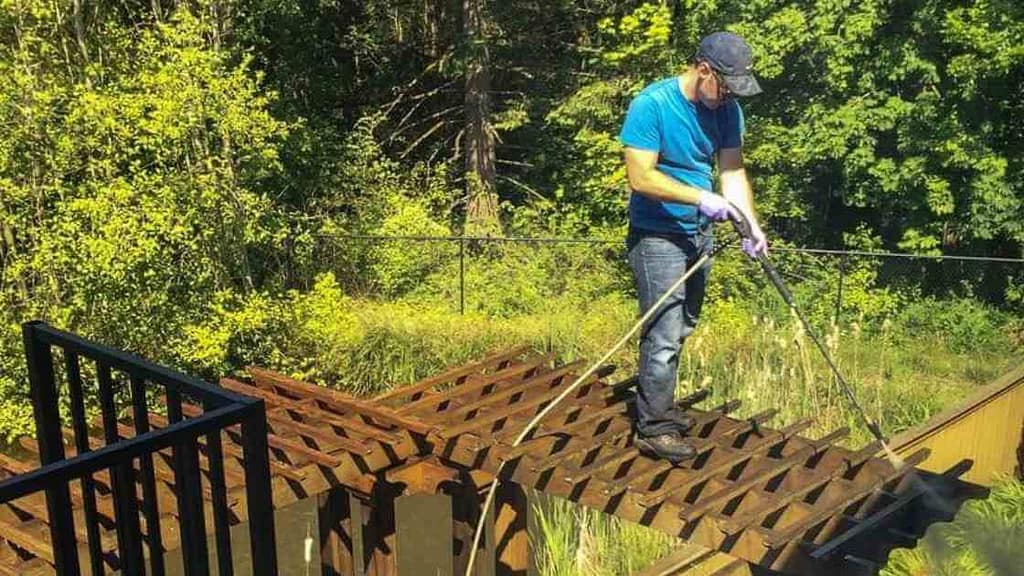
- Determine the Appropriate Pressure: As previously explained, using the right pressure is crucial. Start with low pressure and then gradually increase until you find the right balance.
- Test a Small Area: Before you go all out, test your pressure washer on a small, inconspicuous area. This is to ensure that the pressure set won’t damage your property.
- Start at the Top: When you’re cleaning walls, always start pressure washing from the top and work your way down. This stops dirt and grime from dripping over areas that you have already cleaned.
- Keep a Safe Distance: Maintain a safe distance (at least a few feet) from the surface you are cleaning.
- Wash With Care: Ensure you grip the wand tightly and use both hands. Also, never point the pressure washer at people or pets.
Conclusion
When executed correctly, the usage of a pressure washer in cleaning your home’s exterior can provide exceptional results. Hopefully, this guide has provided adequate insight into the dos and don’ts of pressure washing cleaning.
Just remember to always prioritize safety, choose the correct pressure, and clean with care.
In the case that you want a professional to do your pressure washing for you, give us a call at Forcewashing. We have been doing this for a long time and can guarantee quality and satisfaction.

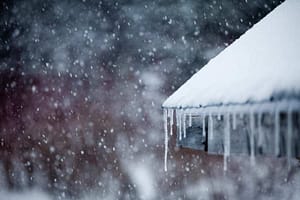 There are a lot of things that we do to prepare for winter, and the checklist that we provided to you in one of our earlier posts is a great reminder and in printable form. But what about the things that we need to know about once winter has come? Here are some fun and interesting pieces of information when winter hits your home.
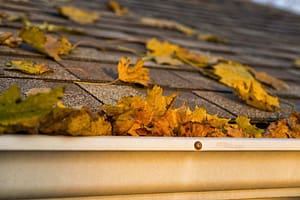 You know how you can tell if someone is from the Pacific Northwest? They walk in the rain with a hooded jacket and there are few umbrellas in sight. That’s because we know the rain will eventually stop and its usually a gentle rain that waters the grounds and trees. In heavy rain we stay indoors.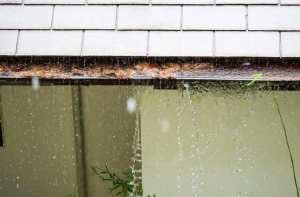
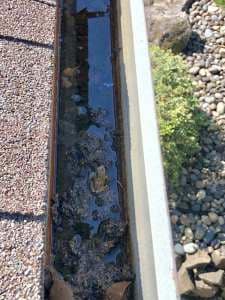
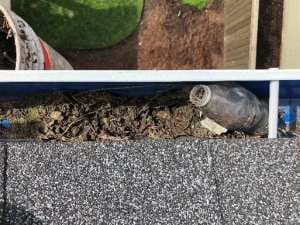
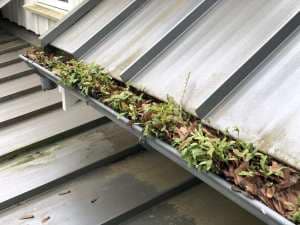
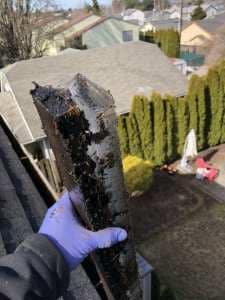
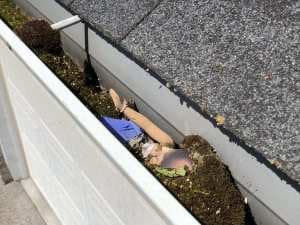

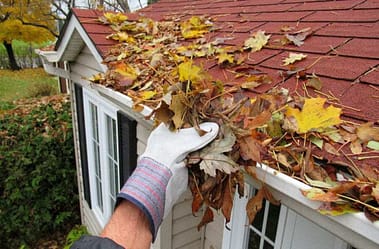 At Forcewashing we want our customers to be ready for winter with a list of key tasks that you can start doing now. So while you’re enjoying the leaves falling, take your time through the list and let’s get prepared for winter together!
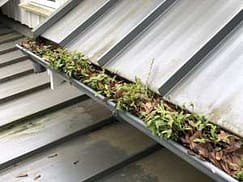
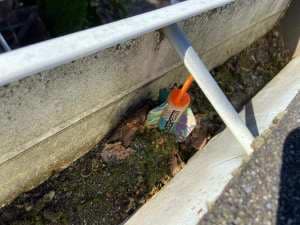
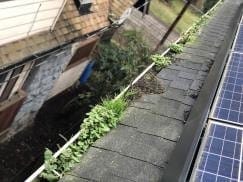 Another interesting part of our job is finding hidden gardens in your gutters. We appreciate the gardening done by Mother Nature, using every aspect of every crevice to create new plants and moss.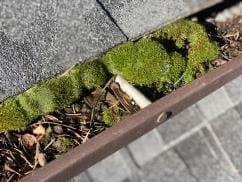
 Mary: “How’s your new Basenji dog doing? I hear they are real jumpers.”






 Preparing to Sell Your Home