
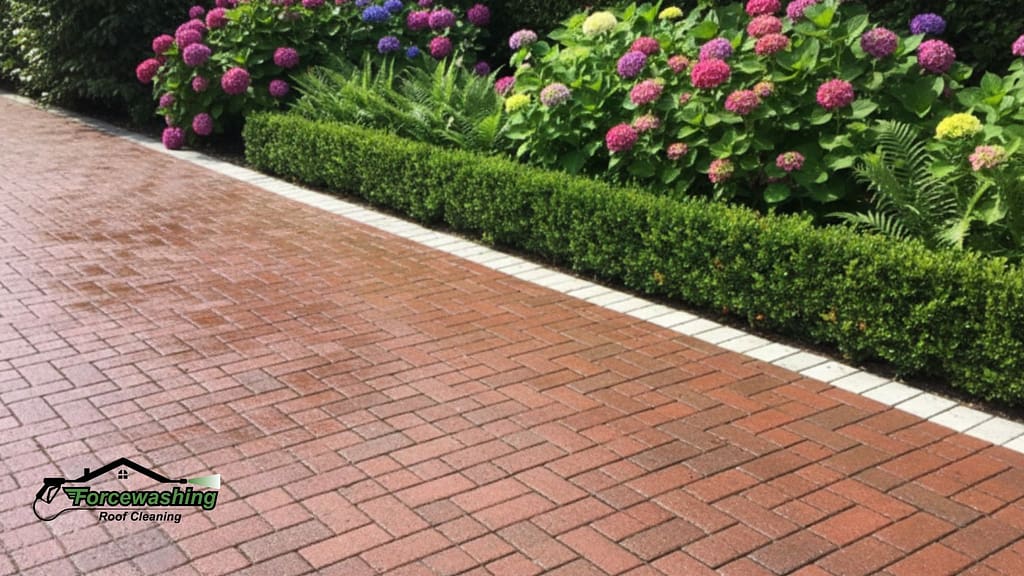
Pavers are a popular choice for driveways, patios, walkways, and pool decks thanks to their durability and visual appeal. Over time, however, dirt, algae, mold, and stains can build up on the surface, leaving pavers looking dull and slippery. Pressure washing pavers is an effective way to restore their appearance — but it needs to be done correctly.
Here’s what you should know before pressure washing pavers.
Why Pavers Need Regular Cleaning
Pavers are constantly exposed to the elements. Moisture, shade, and organic debris create the perfect environment for algae, mildew, and weeds to grow between joints. Without routine cleaning, these issues can lead to discoloration, surface wear, and even safety hazards from slippery surfaces.
Regular pressure washing helps:
- Restore the original color of pavers
- Improve curb appeal
- Reduce slipping risks
- Extend the lifespan of the surface
Can You Pressure Wash Pavers Safely?
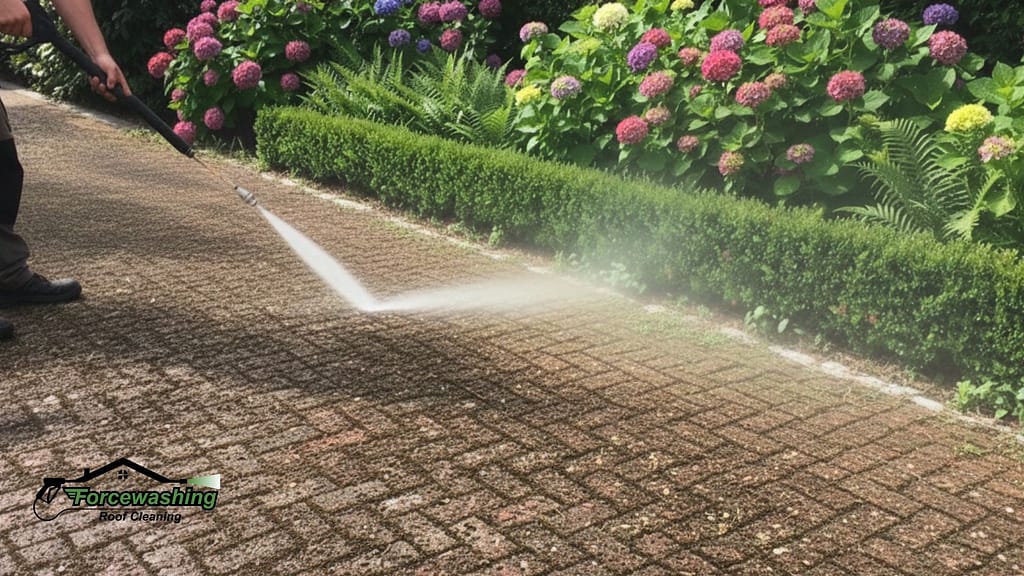
Yes — but technique matters. Using too much pressure or the wrong nozzle can damage the paver surface, loosen joint sand, or create uneven coloring. This is one of the most common mistakes made during DIY pressure washing.
Proper pressure washing involves controlled water pressure, correct nozzle selection, and even cleaning passes to avoid damage.
The Importance of Joint Sand
Joint sand plays a critical role in keeping pavers stable and locked in place. High-pressure water can wash this sand away, leading to shifting, sinking, or weed growth.
After pressure washing, joint sand often needs to be replaced. In many cases, polymeric sand is recommended because it hardens when activated, helping prevent weeds and erosion.
Common Paver Stains and Growth
Pressure washing is especially effective at removing:
- Dirt and grime buildup
- Algae and moss
- Mold and mildew
- Light oil or rust stains
For tougher stains, professional cleaners may be applied before washing to break down contaminants without harming the pavers.
Why Professional Pressure Washing Pavers Is Recommended
Professional pressure washing services use commercial-grade equipment and specialized techniques designed specifically for pavers. This ensures effective cleaning while protecting the integrity of the surface.
A professional service can:
- Adjust pressure based on paver type
- Use eco-friendly cleaning solutions
- Minimize joint sand loss
- Deliver even, consistent results
How Often Should Pavers Be Pressure Washed?
Most paver surfaces benefit from pressure washing once every 12 to 18 months. Properties in shaded or high-moisture areas may require more frequent cleaning to control algae and mold growth.
Routine maintenance helps avoid deep staining and costly repairs down the road.
Final Thoughts
Pressure washing pavers is an excellent way to maintain their appearance and safety — but it’s not a one-size-fits-all process. Proper pressure, technique, and post-cleaning care make all the difference.
For long-lasting results and peace of mind, professional pressure washing ensures your pavers stay clean, stable, and beautiful for years to come.